


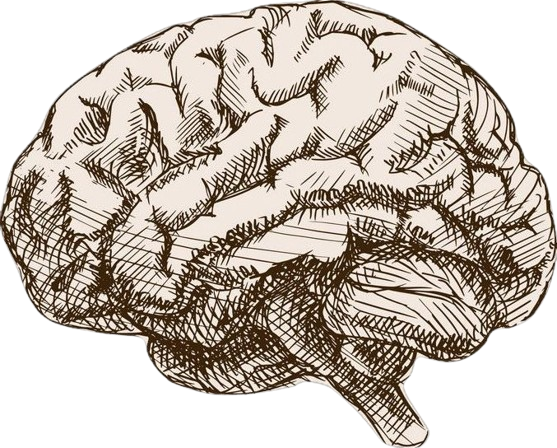


The process of creating a memory begins with perception. When you see, hear, or feel something, information travels from your senses to the brain. These raw signals are first processed in specific areas (such as the visual cortex for images), but they do not yet have any significance. Once the information reaches the hippocampus, it is encoded. This is the crucial step where the brain decides if an piece of information is important. This filtering depends on attention, emotion, and repetition. Without conscious attention, most of this information is simply filtered out and disappears. If the information is deemed relevant, the hippocampus links it to existing memories, creating networks of neural connections. Consolidation follows immediately. During this phase, often reinforced by sleep, the connections between the neurons strengthen physically. This is known as long-term potentiation (LTP): the more these nerve ways are used, the more efficient they become. The memory then passes from a fragile state (dependent on the hippocampus) to a stable state stored in the cerebral cortex. Once consolidated, memories do not remain static. Every time you recall them, they are reconsolidated. This mechanism allows memories to be updated and adapted to new information, but it also makes them potentially modifiable or subject to forgetting.